Hologic and Vossius take action against Siemens Healthineers over mammography system
Siemens Healthineers is prohibited from selling its MAMMOMAT B.brilliant mammography system in Germany, France, and the Netherlands. This was a recent ruling from the UPC's Düsseldorf local division. It is a serious blow for the German medtech company, which lodged an immediate appeal.
6 July 2026 by Mathieu Klos
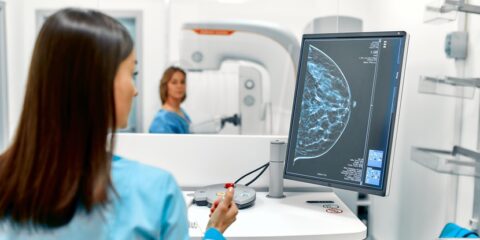
The dispute between the US medical technology company Hologic and Siemens Healthineers centres on EP 2 352 431, which protects a method and system for controlling X-ray focal spot characteristics in breast tomosynthesis and mammography imaging. The patented technology addresses image blurring caused by the movement of the X-ray tube during tomosynthesis scans, so that the effective focal spot appears fixed in space.
Hologic sued various Siemens Healthineers subsidiaries in Germany, France, and the Netherlands in late 2024. The claim targets the MAMMOMAT B.brilliant, which Siemens launched on the market in 2023. Siemens markets the device with reference to its ‘Flying Focal Spot’ technology. Hologic considers this technical feature to be an infringement of its patent. The US company markets its own product under the trade name Envision™ Mammography Platform.
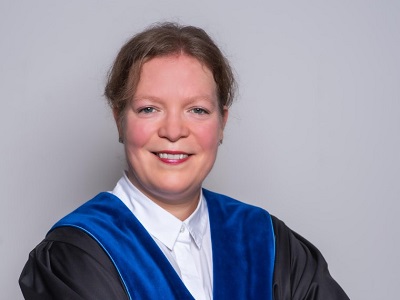
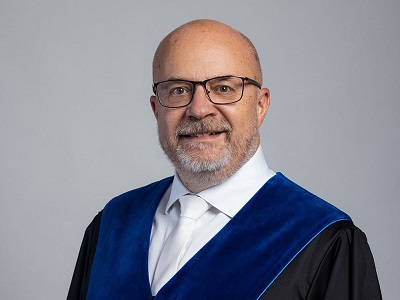
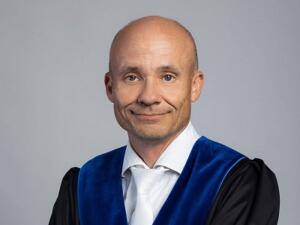
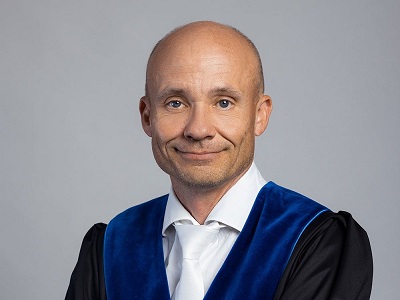
The claim has now been upheld by the second panel of the Düsseldorf local division, presided over by judge Bérénice Thom, with judge rapporteur Ingo Rinken, Perti Rinkinen and technically qualified judge Steven Richard Kitchen (case ID: UPC_CFI_758/2024 and UPC_CFI_259/2025). The panel issued a comprehensive sales ban on the MAMMOMAT B.brilliant in the three countries.
-

- Bérénice Thom
-
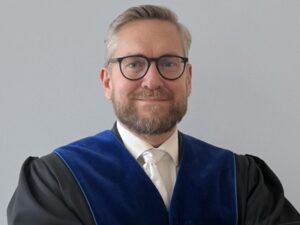
- Ingo Rinken
-
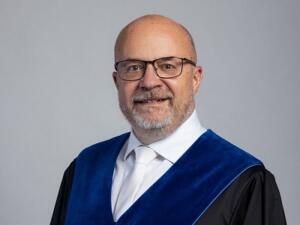
- Petri Rinkinen
-
- Steven Richard Kitchen
Counterclaim dismissed
Siemens Healthineers had brought a counterclaim for revocation and additionally invoked a private prior use right for Germany as well as a positive right of use based on two of its own patents. However, the panel upheld the patent as granted. The court found the invention to be sufficiently disclosed and rejected challenges based on added subject matter, lack of novelty, and lack of inventive step.
The judges ordered Siemens to recall and destroy the infringing systems in the three jurisdictions. The court also dismissed Siemens’ arguments concerning patient interests. Referring to the Court of Appeal’s decision in Meril vs Edwards, the judges held that exceptions to injunctive relief on grounds of patient welfare only apply where the infringing product is the sole treatment option or provides a significant improvement in patient care. The panel pointed to several alternative systems available on the market.
Siemens goes on the counter-offensive
The court also rejected Siemens’ request to make enforcement subject to a security of up to €4bn. Immediately following the decision, Siemens Healthineers announced in a press release that it would appeal against the ruling. The German company also filed an application for suspensive effect pursuant to Rule 223 of the Rules of Procedure (case ID: UPC-COA-0000094/2026). The third panel of the Court of Appeal, presided over by judge Ulrike Voß, will rule on the appeal.
A spokesperson for Siemens Healthineers said, “Whilst we respect the UPC’s decision, we disagree with its conclusions. The court’s decision is limited to Germany, the Netherlands and France and affects only Siemens Healthineers entities in these countries. The ruling does not concern the system’s performance or security. Siemens Healthineers reserves the right to take further legal action.”
Vossius for Hologic
Hologic relied on a team from Vossius Brinkhof UPC Litigators. However, the lawyers involved are exclusively from Vossius & Partner. The team comprised lawyers Thure Schubert, Christian Leopold Zapp, and Christoph Eisenmann, together with patent attorney Arnold Asmussen. The Dutch patent attorney team at Hoyng ROKH Monegier filed the patent. In the Netherlands, the firm is the main competitor of Vossius’ UPC partner Brinkhof.
-
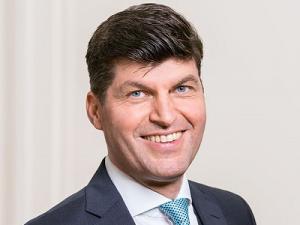
- Thure Schubert

-
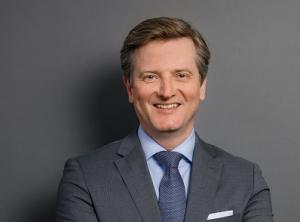
- Matthias Meyer

A Bird & Bird team led by Düsseldorf-based partner Matthias Meyer represented Siemens Healthineers, with counsel and lawyer Daniel Misch and patent attorneys Felix Harbsmeier and Cameron Walker.
It was the first time that the legal teams on both sides had acted on behalf of the two medtech companies.