Corning and Quinn Emanuel defend special glass production method against TCL
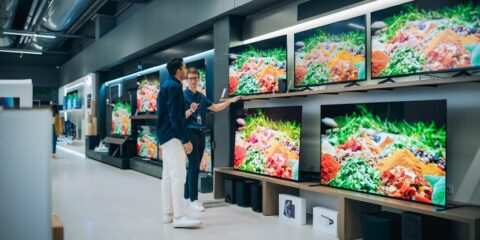
TCL is banned from selling some of its TVs in Germany. In a ruling handed down today, Mannheim local division found a patent belonging to Corning to be valid and infringed. The judges prohibited TCL from selling products in which certain types of displays are integrated.
16 April 2026 by Mathieu Klos
The injunction refers exclusively to Germany. Although the patent is still valid in France, Corning had apparently decided, for strategic reasons, not to pursue infringement proceedings there.
Corning, a major US technology company specialising in advanced glass and materials science, accuses TCL of infringing EP 3 296 274. The patent protects a process for “fining of boroalumino silicate glasses”, often used in glass for TV displays, and expires in June 2026.
Corning claims TCL sells TVs containing LCD panels with glass sheets from unlicensed suppliers which implement the patented method of fining. According to the patent holder, technical analysis shows that the glass composition of a wide range of TVs, not limited to one certain model, meets the patent claims.
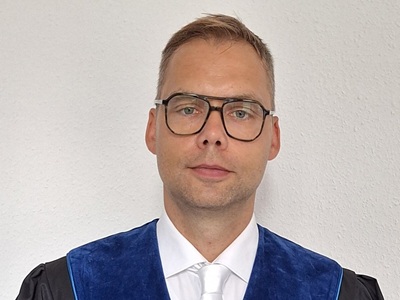
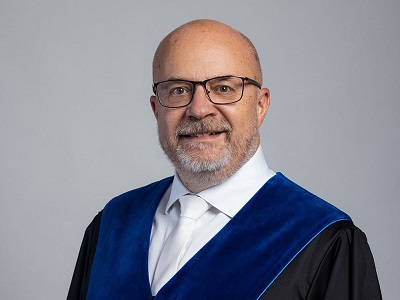
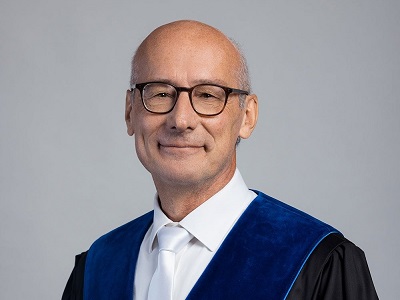
Today, the court upheld the patent, found TCL had infringed and ordered the company to cease and desist and disclose information, as well as recall, remove and destroy the infringing products. Furthermore the judges panel, consisting of presiding judge Peter Tochtermann, judge-rapporteur Tobias Sender, Petri Rinkinen and technically qualified judge Rudi Goedeweeck, found the defendant liable for damages and ordered penalty payments in the case of non-compliance (case ID: UPC_CFI_819/2024).
-
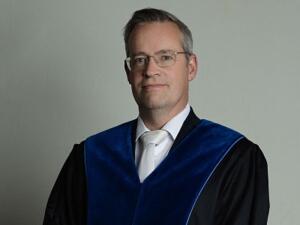
- Peter Tochtermann
-
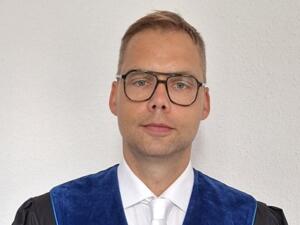
- Tobias Sender
-
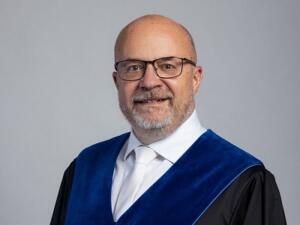
- Petri Rinkinen
-
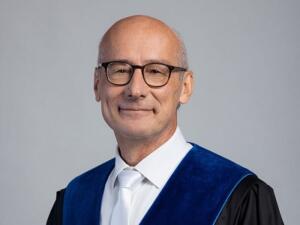
- Rudi Goedeweeck
However, for the judgment to take effect, Corning must still enforce it. No decision has yet been made as to whether TCL will appeal against the judgement. The fact that the patent is due to expire in a couple of months is likely to be a factor in TCL’s deliberations. After that, the dispute would focus solely on damages.
In a parallel central revocation action filed by TCL Europe, Munich central division had previously upheld the patent in February (case ID: UPC 337/2025).
Three to begin with
Initially, Corning had sued three tech companies — TCL, LG and Hisense — for infringement of EP 274 at Mannheim local division. All defendants responded by filing counterclaims for revocation. The judges rejected a request by the defendants to split the proceedings in first and second instance.
In October last year, Corning and LG withdrew their actions, followed by Hisense in February. The companies came to a settlement outside court. Thus only the actions between Corning and several entities of TCL remained.
“Importantly, this decision is in addition to the U.S. International Trade Commission’s (ITC) April 7, 2026 initial determination, which also upheld the validity of Corning’s glass composition patents. Taken together, the UPC decision and the ITC initial determination underscore the strength of the evidence supporting Corning’s intellectual property,” writes Corning in a statement on the Mannheim judgment.
TCL points out that its supplier, Caihong, has not manufactured any glass formulations that infringe Corning’s patent since early 2025.
Quinn against Bird & Bird
Corning relied on Quinn Emanuel Urquhart & Sullivan for all proceedings. Partners Marcus Grosch, Andreas Duensing and counsel Holger Hiss have the lead. Partner Katrin Gerstenberg as well as counsel Stefan Fuchs and Armin Giesen are also involved. The team also includes associates Katharina Peters, Sebastian Scholz, Anton Noldenn, and Athanasios Vrontos.
-

- Marcus Grosch
-
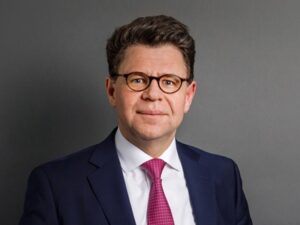
- Felix Rödiger
Bird & Bird acted for TCL and — until the claim was withdrawn — LG. The team around the two lead partners, litigator Felix Rödiger and patent attorney Andreas Obermeier, also included patent attorney and counsel Anne Halbach. Washington-based patent attorney Ude Lu and Shenzhen-based lawyer Bo Tang from Purplevine IP supported the UPC trial lawyers.
Initially, Hisense instructed a Freshfields team around Stephan Dorn, who moved to CMS last year. Later orders list Eva Acker and Wolrad Prinz zu Waldeck und Pyrmont from Freshfields as representatives. Dorn continues to represent Hisense in other disputes.
